
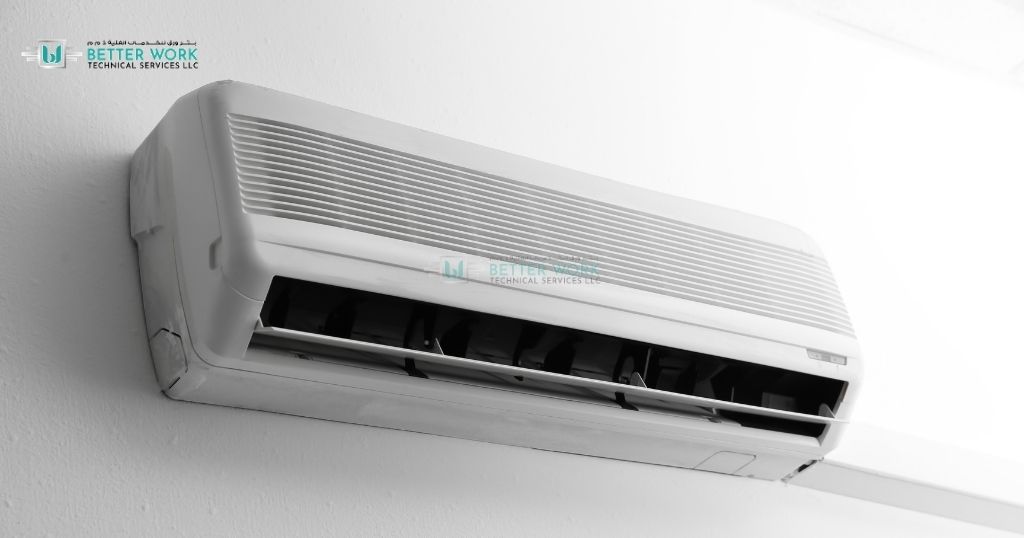
Top 5 Signs of Mold in AC Vents: How to Detect and Fix It
If you suspect there is mold in your air conditioning system, you need to act fast. Mold reduces air quality and can lead to costly HVAC repairs. The most common signs of mold in AC vents include a persistent “wet sock” odor, visible black fuzzy clusters on the vent grills, and increased allergy symptoms like sneezing, specifically when the AC is running.
1. A Strong “Musty” Smell
How to know if AC ducts have mold? Trust your sense of smell. Noticing a musty or sweaty smell when the fan is on? That’s a clear sign something isn’t right. This scent comes from gases released by mold as it grows on your evaporator coils.
2. Strange Black Spots or “Black Dust.”
Mold on vents often looks like regular dust, but it is actually a fungal colony.
- How to tell the difference: Regular dust is dry and flaky. Mold looks like a stain, feels “sticky,” and is difficult to scrub away from the metal vent louvers.
3. Unexplained Allergy Symptoms at Home
Does your family start sneezing or getting itchy eyes the moment the AC kicks on? Mold in air conditioner vents releases tiny spores into the air. If your allergies get worse at home but go away when you leave, your ventilation system is likely the culprit.
Symptom | Connection to HVAC |
Sneezing/Coughing | Worsens when the AC or heater is running. |
Headaches | Triggered by “mold sickness” or poor air quality. |
Fatigue | Long-term exposure to spores can cause “brain fog.” |
4. Wet Spots and High Humidity
Mold needs water to survive. If you see water droplets on your vents or damp patches on the ceiling, your condensate drain line might be blocked. In humid areas like Dubai, this moisture creates the perfect environment for mold to spread quickly.
5. Poor Airflow and High Energy Bills
When mold grows thickly on internal filters or cooling coils, it blocks airflow. This forces your AC to work much harder, causing your electricity bills to spike unexpectedly.
To help you pinpoint the problem, here’s a quick way to distinguish dust from mold:
Feature | Regular Household Dust | Mold Growth |
Color | Light grey or brownish | Black, dark green, or white |
Texture | Dry and flaky | Slimy, fuzzy, or splotchy |
Smell | No odor | Musty, damp, or earthy |
Frequently Asked Questions (FAQ)
Use a high-lumen flashlight to shine light deep into the vent. If you see dark, fuzzy patches or “streaks” of black, you need a professional inspection.
You can wash the removable metal covers with soap and water. However, do not try to clean deep inside the ducts yourself. Without professional equipment, you might accidentally spread the mold spores to every other room in your house.
- Keep your indoor humidity levels below 50%.
- Change your AC filters every 2 months.
- Have a professional service your AC regularly to ensure the drain lines are clear.
Get in Touch for a Fresh, Healthy Home
Don’t let mold ruin your air quality or your health. If you see any of these signs in your home, it is time to call the experts. At BetterWorkts LLC, we specialize in professional AC cleaning and mold removal to keep your home fresh and safe.
Stop the mold before it spreads! Reach out to us now for a quick inspection or a free quote.